
In Atlanta, getting staff to the venue on time is part of the staffing plan. Traffic can be heavy at rush hour, parking near busy downtown and Midtown venues can fill early or be expensive, and big events elsewhere in the city can snarl the roads around your site. A late team makes for a stressful first hour. This guide covers how to plan staff travel, parking and arrival times for Atlanta events.
Ask the venue first
Venues know their own access problems. Ask where staff and vendors should park, whether there is a staff or loading entrance, what the parking costs and whether it is validated, and what time the building opens to staff. Some venues have dedicated staff parking; others expect staff to use public garages or transit. Put the answers in the staff brief so nobody has to guess on the day.
Driving and parking
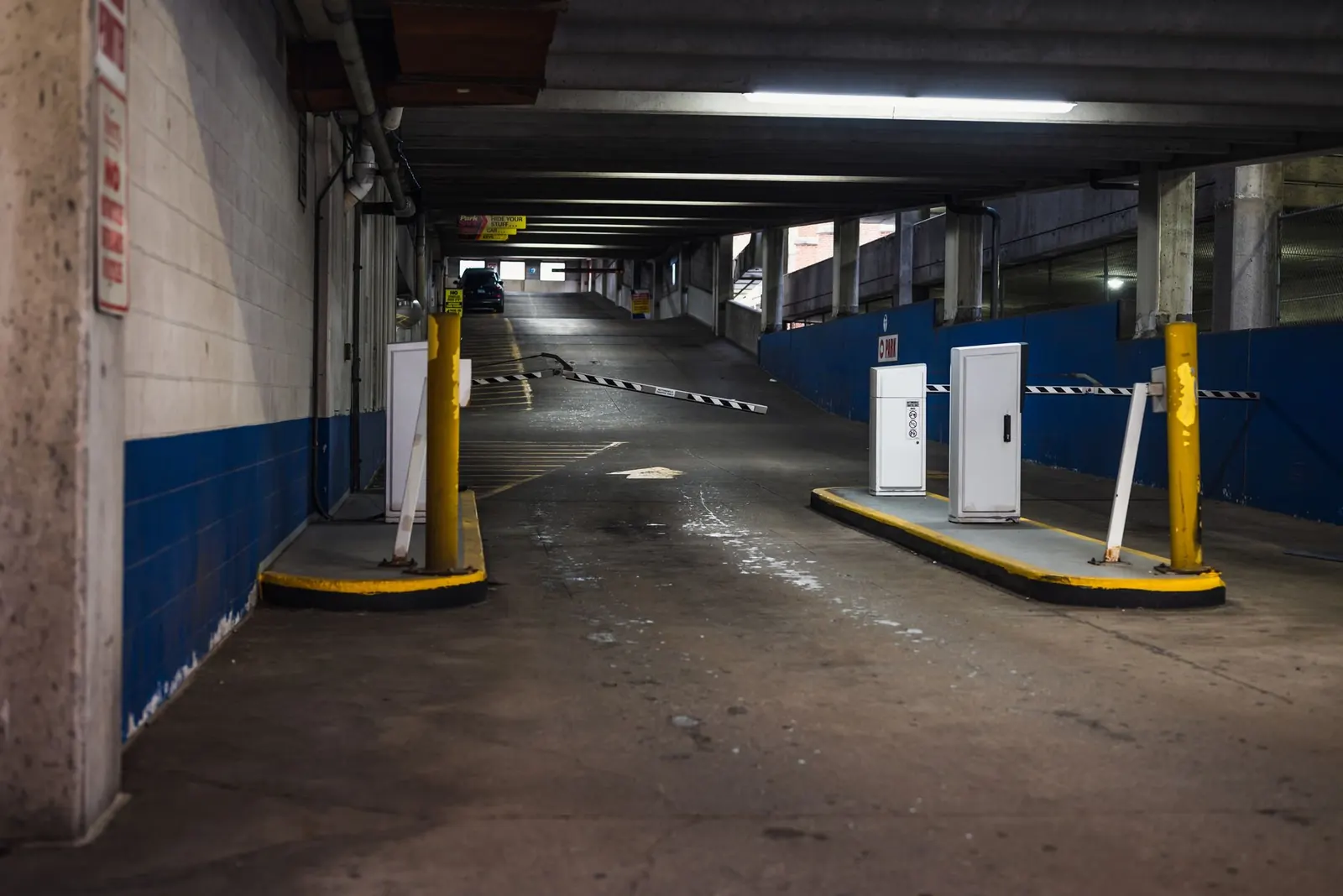
Many event staff drive, especially for evening events or venues outside the city center. Tell them which garage or lot to use, how much it costs and whether you will reimburse it. If parking is limited, consider a single staff lot with a short walk and add that walk to the arrival time. For large events, check whether another event nearby, such as a game or concert, will fill garages at the same time.
MARTA and transit
MARTA rail serves many downtown, Midtown and airport-area venues, and it can be the easiest way for staff to avoid traffic and parking costs. If your venue is near a station, name the station and describe the walk to the staff entrance in the brief. Check that service times cover the end of the event and breakdown, since late finishes can leave staff without a train home. For venues without a nearby station, transit may not be practical.
Rideshare and drop-off
Some staff will use rideshare, particularly for late finishes. Tell them the best drop-off point near the staff entrance, which may not be the main guest entrance. For events that end late, think about how staff will get home safely and whether you need to help arrange transport.
Tip: Build a buffer into staff arrival times. Asking people to arrive earlier than you strictly need them absorbs traffic delays and gives you time to call backups if someone is running late.
Questions to ask the venue
- Where should staff park, and what does it cost?
- Is there a staff or service entrance, and when does it open?
- What is the nearest MARTA station, and how long is the walk?
- Are other events happening nearby on the same day?
- Where can staff be dropped off by rideshare?
- Where can staff leave personal belongings securely?
Timing on busy days
Weekday evening events often start near rush hour, which can make arrival times unpredictable. Weekend events can clash with sports, concerts or festivals. Check the city’s event calendar for your date and adjust arrival times accordingly. If your event is during a major convention, expect heavier traffic and fuller garages around downtown.
Paying for travel and parking
Decide in advance whether you will cover parking or transit costs and say so in the booking terms and brief. Unexpected parking costs are a common complaint from event staff and can affect whether good people want to work your next event. If an agency supplies staff, ask how they handle travel costs.
Key takeaways
- Get parking, entrances and transit details from the venue and put them in the brief.
- Build a time buffer into arrival for Atlanta traffic and nearby events.
- Plan how staff get home after late finishes.
Load-in and early crews
Setup crews often arrive hours before other staff, sometimes while the venue is still hosting another event or before public garages open. Confirm the load-in time and entrance with the venue, and make sure early crews know where to park vehicles with equipment. Loading docks can have tight time slots, so share them with everyone who needs one, including vendors and rental companies.
Breakdown has the opposite problem: it runs late, when transit may be limited and garages may close. Tell breakdown crews how long they will be needed and confirm their parking stays accessible until they finish. If staff are leaving late at night, suggest they walk to cars or stops in pairs and make sure the route from the staff exit is well lit. Planning these ends of the day is as important as the main arrival.
For multi-day events, travel planning pays off twice. Once staff know the route, parking and entrance from day one, later days run more smoothly, but only if nothing changes. If the entrance, parking or schedule shifts between days, tell everyone the evening before rather than at the door.
Outdoor event? Read Staffing Outdoor Events in Atlanta Weather next.