
The first hour of event day sets the tone for everything after it. If staff check-in is organized and the briefing is clear, the team starts calm and knows what to do. If people wander in, cannot find anyone and get a rushed briefing at the door, the confusion follows them all day. This guide covers how to run staff check-in and the pre-event briefing smoothly for events in Atlanta.
Key takeaways
- Set up staff check-in before anyone arrives, with a list, badges and a named contact.
- Keep the briefing short and specific, then hand over to team leads.
- Know who is missing early, so backups have time to arrive.
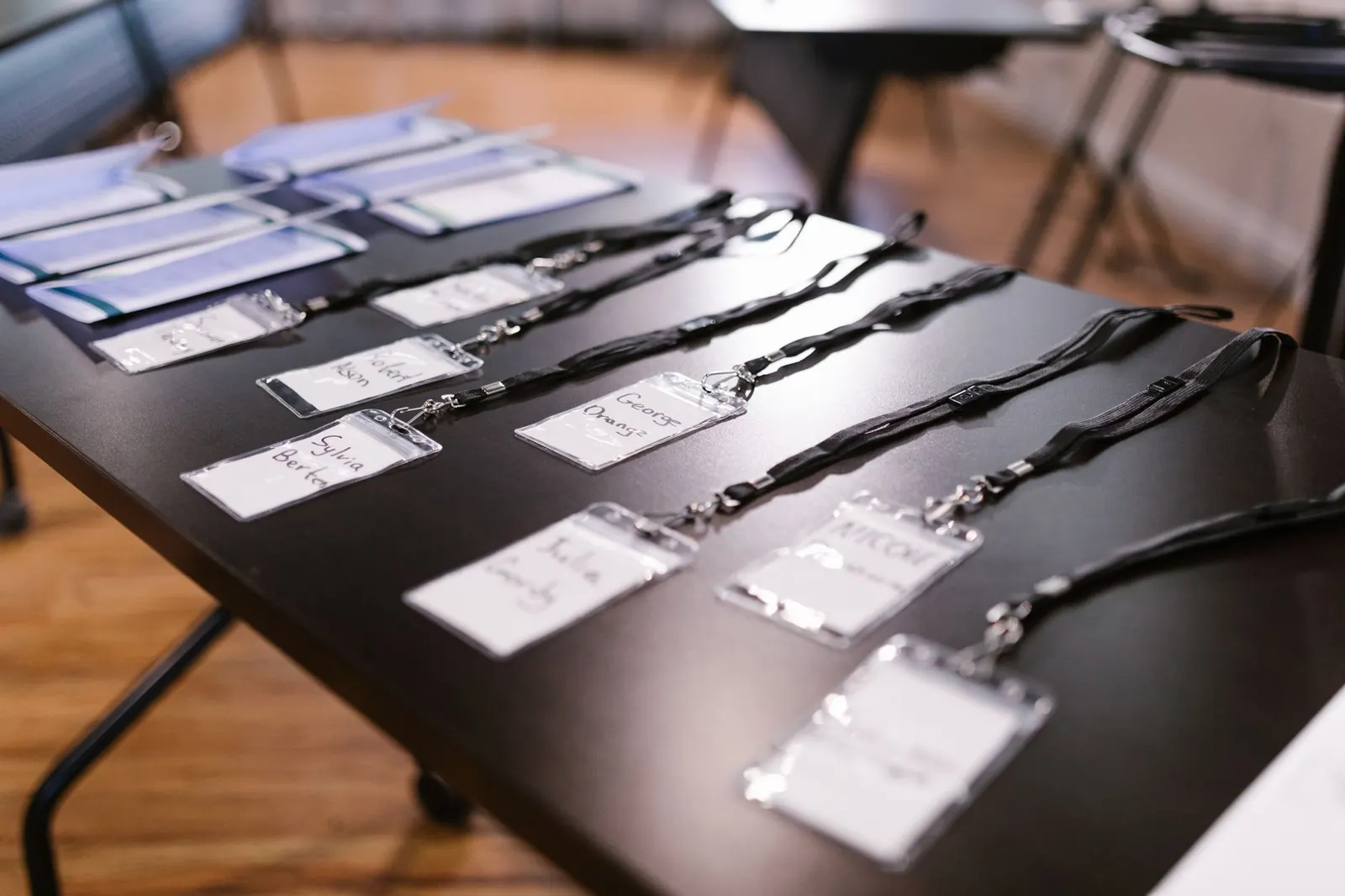
Ninety minutes before doors
Set up a staff check-in point away from the guest entrance, with the staff list, badges or wristbands, radios if you use them, printed briefs for team leads and water. Put one person in charge of check-in so arriving staff know exactly who to report to. Make sure your phone is charged and free for calls from anyone running late or lost. If parking or transit is tricky, have someone ready to direct staff by phone.
As staff arrive
Check each person off the list, hand over their badge and tell them where to leave their belongings and where the briefing will be. Note anyone missing at the agreed arrival time and contact them right away. If someone has cancelled, call your backup or the agency immediately; the earlier you know, the more options you have. Our guide to Managing Breaks, Cover and Long Event Shifts covers reassigning roles when someone is missing.
The briefing
Gather everyone in a quiet space for about fifteen minutes. Introduce yourself, the floor manager and team leads. Describe the event in a sentence or two and walk through the run of show. Then go team by team: where each role is stationed, what it covers, when breaks are and who to ask. Finish with the few things that matter most and what to do if something goes wrong.
What the briefing should cover
| Topic | Keep it to | Why it matters |
|---|---|---|
| The event and client | Two sentences | Staff can answer basic guest questions |
| Run of show | Key times only | Everyone knows the peaks |
| Roles and stations | Team by team | No one guesses where to stand |
| Breaks and cover | Who covers whom | Stations are never left empty |
| Problems | Who to call, what to do | Issues reach the right person fast |
Hand over to team leads
After the main briefing, team leads take their people to their stations for a quick walkthrough and any task practice. This is where detail belongs: the check-in process, the bar setup, the product script. It keeps the main briefing short and gives each team time with the person they will work with all day.
Tip: Take a quick photo of the staff list with any changes marked after check-in. If you get busy later, you will still know who is on site and in which role.
When things go wrong at the start
Late arrivals, missing staff and last-minute changes to the run of show are common. Decide in advance who can fill each role if needed and which roles can wait. A greeter can move to registration; a runner can cover a break. If a key role is missing, such as a bartender, tell the caterer or agency immediately. Guests rarely notice a small gap that is handled calmly; they notice a team that looks lost.
Before doors open
Do a final walk of the stations ten minutes before doors. Check that each person is in place, knows their first task and has what they need: tablets charged, badges ready, bars stocked, signs up. Then give a short final word to leads and let the event begin.
Tools that make check-in faster
Staff check-in does not need special software, but a few simple tools help. A shared spreadsheet or printed list with names, roles, phone numbers and arrival times lets whoever runs check-in see gaps at a glance. Pre-printed badges sorted by team save time at the table. If you use radios, label them by team and test them before staff arrive, with spare batteries on hand.
For larger teams, a group message thread for team leads is useful for quick updates, but keep it to leads so it stays readable. Decide in advance which changes go by message and which need a phone call, such as a missing bartender or a change to doors time. Whatever tools you use, keep them simple enough that a replacement check-in person could pick them up without explanation if you are pulled away.
For the preparation that makes this hour easier, see Writing an Event Staff Brief.